
Solar Panel System Sizes: Determine the Right Size for Your Home
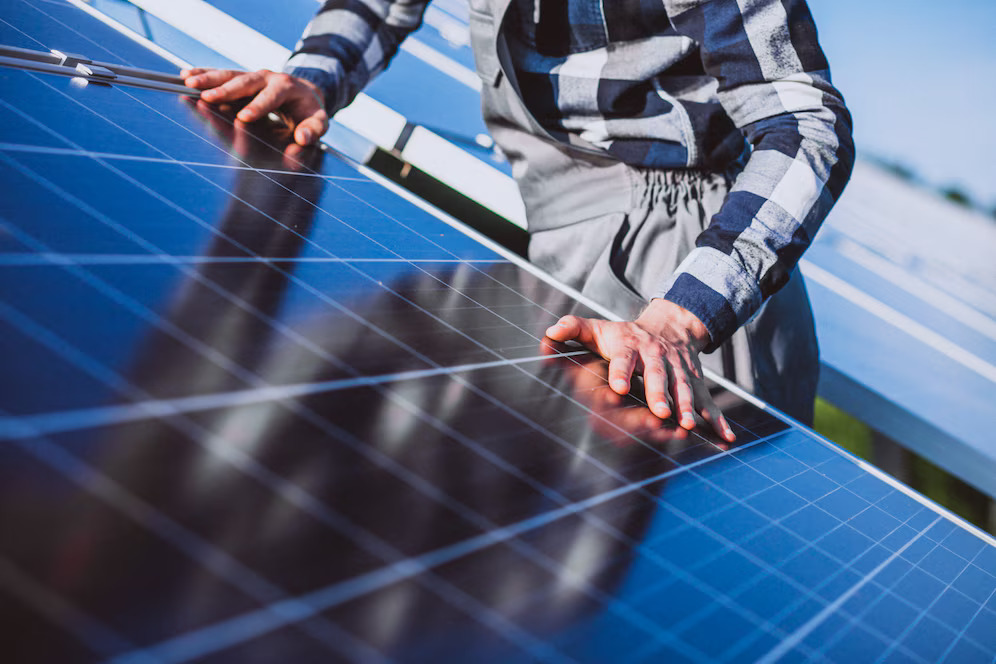
Switching to solar energy is a smart investment that helps reduce electricity bills and lowers your carbon footprint. However, choosing the right solar panel system size is crucial to ensuring you generate enough power to meet your household’s needs.
So, how do you determine the right solar system size for your home? In this guide, we’ll break down key factors like energy consumption, roof space, and solar efficiency to help you find the perfect fit.
1. Why Does Solar Panel System Size Matter?
The size of your solar energy system determines:
✔ How much electricity you can generate – A system too small won’t meet your energy needs, while an oversized one could lead to unnecessary expenses.
✔ Your energy savings – A properly sized system helps you maximize energy savings.
✔ System efficiency and performance – The right size ensures your system operates at peak efficiency.
💡 New to solar? Learn more about solar installation and what to expect before getting started.
2. How to Calculate the Right Solar Panel System Size
A. Determine Your Household Energy Usage
✔ Check your electricity bill for monthly and yearly energy usage (measured in kWh).
✔ The average U.S. home uses around 900-1,200 kWh per month.
B. Consider Your Sunlight Exposure
✔ Homes in sunny regions need fewer panels than homes in cloudy areas.
✔ Use a solar calculator or consult a professional to assess solar panel efficiency in your area.
C. Factor in Panel Efficiency and Wattage
✔ Most residential solar panels have a wattage rating between 300-400W per panel.
✔ The number of panels required depends on your energy needs and panel efficiency.
💡 Experiencing solar panel issues? Check out this solar panel troubleshooting checklist to keep your system running smoothly.
3. How Many Solar Panels Do You Need?
| Home Size | Average Energy Usage (kWh/month) | Estimated Number of Panels (Based on 350W Panels) |
|---|---|---|
| Small Home (1-2 people) | 500-800 kWh | 12-16 panels |
| Medium Home (3-4 people) | 900-1,500 kWh | 18-24 panels |
| Large Home (5+ people) | 1,600+ kWh | 25+ panels |
4. Additional Factors to Consider
✔ Battery Storage – If you want to store excess energy, consider adding a solar battery system.
✔ Future Energy Needs – Plan for home expansions, EV charging stations, or added appliances.
✔ Roof Space & Orientation – Ensure you have enough unshaded roof area for installation.
💡 Worried about solar performance at night? Learn how solar panels work at night and what backup options are available.
5. When to Upgrade or Repair Your Solar Panels
If your current system isn’t meeting your energy needs, it might be time for an upgrade. Signs that your panels need repairs or replacement include:
✔ Decreased energy production
✔ Cracked or discolored panels
✔ Frequent system malfunctions
💡 Think your panels need an upgrade? Check out signs that your solar panels need repair or replacement for expert advice.
Final Thoughts: Find the Perfect Solar Panel System for Your Home
Choosing the right solar panel system size depends on your energy usage, location, and panel efficiency. Whether you’re looking to cut electricity costs or move toward complete energy independence, selecting the correct system size ensures optimal performance and savings.